Road Tripping with Dogs: 10 Essential Safety Tips and Packing Checklist
Road trips can be a brilliant way to explore new places with your dog. However, travelling with a pet requires more planning than travelling alone. Dogs need secure transport, regular breaks, familiar food and plenty of reassurance throughout the journey.
This guide to Road Tripping with Dogs: 10 Essential Safety Tips and Packing Checklist explains how to prepare your vehicle, protect your dog and make the journey more comfortable. Whether you are travelling for a weekend or planning a longer adventure, a little preparation can prevent many common problems.
A successful trip starts before you leave home. Your dog should be comfortable with car travel, and you should understand what they need during the journey. It is also important to prepare for unexpected delays, changes in weather and minor emergencies.
Road Tripping with Dogs: 10 Essential Safety Tips
Keep Your Dog Properly Restrained
One of the most important safety measures is securing your dog inside the vehicle. A loose dog can become a serious distraction for the driver. They may also be injured during sudden braking or a collision.
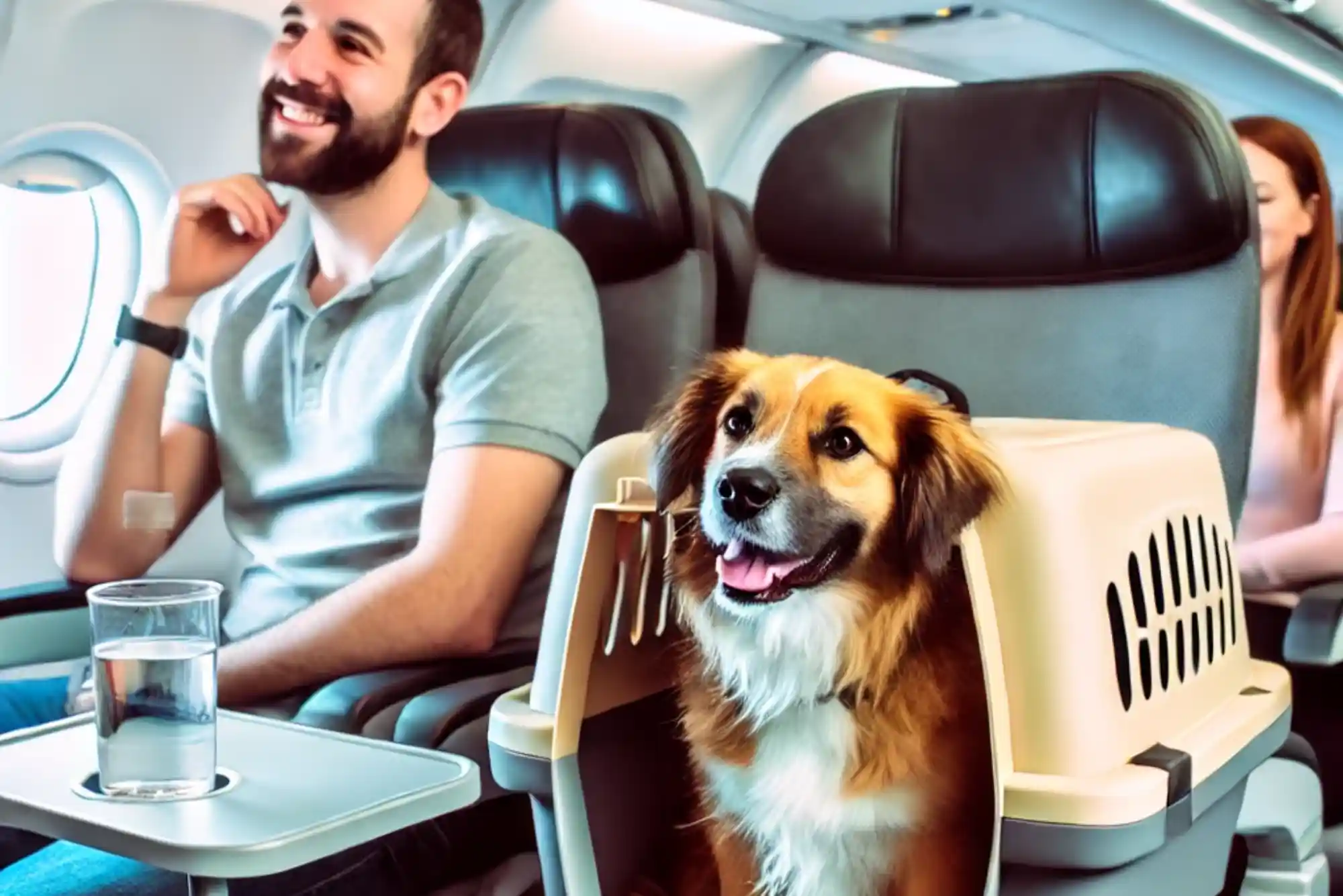
Use a suitable travel crate, vehicle barrier or properly designed dog restraint. The equipment should fit your dog correctly and allow enough room to sit, stand and change position comfortably.
For additional guidance, researching Crash-Tested Dog Harnesses can help you understand what features to look for when choosing a restraint.
Never Allow Your Dog to Ride in the Front Seat
The front passenger seat is generally not the safest place for a dog. Airbags are designed for human passengers and can seriously injure an animal during deployment.
The rear passenger area is usually a better choice. A secured crate or harness can provide additional protection while keeping your dog away from the driver.
Take Regular Breaks
Dogs should not be expected to remain in the vehicle for hours without a break. Plan regular stops where your dog can safely stretch, drink water and relieve themselves.
Long journeys become easier when breaks are predictable. Your dog may also feel calmer when they recognise that stops are part of the routine.
During every break, keep your dog securely restrained until you are safely away from traffic. Never allow a nervous dog to wander around an unfamiliar roadside area.
Keep Fresh Water Available
Hydration is essential during every road journey. Keep a bottle of fresh water and a suitable travel bowl within easy reach.
Warm weather increases the importance of regular drinking. However, avoid leaving your dog alone inside a parked vehicle, even if the windows are slightly open.
Temperatures inside vehicles can rise quickly. Shade and ventilation may not provide sufficient protection from dangerous heat.
Avoid Feeding a Large Meal Before Departure
A heavy meal immediately before travelling may increase the likelihood of nausea or vomiting. Instead, consider giving your dog a familiar meal several hours before departure.
Small treats can be useful during the journey, especially when rewarding calm behaviour. Avoid introducing unfamiliar foods while travelling because they could cause stomach problems.
If your dog regularly experiences motion sickness, speak with your vet before the trip.
Keep Identification Details Updated
Your dog’s identification information should be current before you leave. Check that their collar tag contains accurate contact details.
A microchip can provide an additional layer of protection if your dog becomes separated from you. Make sure the registration information is also up to date.
It is wise to carry recent photographs of your dog. These can be useful if you need help locating them.
Maintain a Comfortable Temperature
Dogs can become uncomfortable quickly when a vehicle is too hot or too cold. Keep the cabin temperature comfortable and provide appropriate ventilation.
Avoid placing your dog’s crate directly in strong sunlight. During warmer months, plan driving times carefully where possible.
A familiar blanket can also make the travel area feel more secure. However, ensure bedding does not restrict ventilation or movement.
Prepare for Motion Sickness and Anxiety
Some dogs become nervous when travelling by car. Others may drool, whine, shake or vomit because of motion sickness.
Before a long journey, take shorter practice drives. Gradually increasing travel time can help your dog become more comfortable.
Keep the atmosphere calm. Loud music, sudden movements and frequent changes can make anxious dogs more unsettled.
Check Your Destination’s Pet Rules
Before leaving, confirm that your accommodation accepts dogs. Check whether there are restrictions regarding size, breed, additional charges or access to certain areas.
You should also investigate nearby veterinary services. Knowing where to seek help can save valuable time during an emergency.
If you are planning a wider Road Trip With Pets, researching pet-friendly stops beforehand can make the experience considerably smoother.
Never Leave Your Dog Alone in a Parked Vehicle
This rule deserves special attention. Leaving a dog unattended inside a parked vehicle can become dangerous within a short period.
Even moderate outdoor temperatures can create hazardous conditions inside a car. Parking in the shade does not eliminate the risk.
If dogs are not permitted inside a destination, consider whether your stop is necessary. Your dog’s safety should always come before convenience.
Road Tripping with Dogs: Packing Checklist
Good preparation can make Road Tripping with Dogs: 10 Essential Safety Tips and Packing Checklist much easier to follow in practice.
Instead of packing at the last minute, prepare your dog’s travel supplies beforehand. Keep frequently needed items somewhere accessible rather than buried beneath luggage.
| Essential item | Why it matters |
|---|---|
| Fresh water | Keeps your dog hydrated during travel |
| Travel bowl | Makes drinking and feeding easier |
| Regular food | Reduces the chance of digestive problems |
| Lead and collar | Provides safe control during stops |
| Secure harness or crate | Helps protect your dog inside the vehicle |
| Waste bags | Keeps roadside and rest areas clean |
| Familiar blanket | Provides comfort and familiarity |
| Towels | Useful for muddy paws or spills |
| Basic first-aid supplies | Helps manage minor problems |
| Identification details | Supports safe recovery if your dog gets lost |
| Medication | Maintains normal care during the trip |
| Favourite toy | Can reduce anxiety and boredom |
| Cleaning supplies | Useful for accidents and motion sickness |
| Recent photograph | Helpful if your dog becomes separated |
A practical approach is to prepare one small travel bag specifically for your dog. This prevents you from searching through larger luggage at every stop.
If your journey includes multiple destinations, keep enough food for the entire trip. It is better to carry familiar food than rely on finding the same brand while travelling.
How to Make Long Car Journeys Easier for Dogs
Long journeys can be tiring for dogs, particularly when they are not accustomed to spending several hours in a vehicle.
Start with short drives before attempting a major trip. Reward calm behaviour and gradually increase the duration.
Keep your dog’s routine as consistent as possible. Feed them at familiar times and maintain their normal walking schedule when practical.
A comfortable travel environment also matters. Familiar bedding, a favourite toy and a calm voice can provide reassurance.
Do not allow your dog to put their head outside the window while the vehicle is moving. Although this behaviour may look enjoyable, flying debris and sudden braking can cause injuries.
Similarly, never allow your dog to travel in the boot of a saloon car. Dogs need adequate ventilation, protection and secure space.
Using Traveldrives for Better Trip Planning
When planning a pet-friendly journey, Traveldrives can be considered as part of your wider travel research and preparation process.
The goal should always be to plan realistic driving distances. A route that looks short on a map may become tiring when regular pet breaks are included.
Build extra time into your schedule. This gives you flexibility if your dog needs another toilet break, becomes unsettled or needs water.
Avoid creating an itinerary that requires you to drive continuously for long periods. A slower journey can be much more enjoyable for both you and your pet.
What to Do If Your Dog Becomes Ill During the Journey
Even well-prepared journeys can involve unexpected problems. Your dog may experience vomiting, diarrhoea, overheating, injury or unusual behaviour.
Stop somewhere safe if your dog appears distressed. Offer water if appropriate and allow them to rest.
For serious symptoms, contact a veterinary professional as soon as possible. This is why researching veterinary services along your route before departure can be extremely valuable.
Keep your dog’s medical information accessible. Include details about existing medication, allergies and your regular veterinary practice.
Preparing Your Dog Before the Trip
Preparation should begin several days before departure. Avoid making major changes to your dog’s diet or routine immediately before travelling.
Check their collar, lead and identification details. Inspect the crate or harness to ensure everything works correctly.
If your dog has never experienced a long drive, practise shorter journeys first. You can then identify anxiety or motion sickness before committing to a lengthy trip.
The day before departure, pack most of your dog’s belongings. Leave only essential items for the morning.
This approach reduces stress and helps you concentrate on safe driving.
Road Tripping with Dogs: Safety Tips for Different Weather
Weather can significantly affect your dog’s comfort. Summer journeys require particular attention to heat, hydration and ventilation.
During cold weather, provide suitable bedding and avoid unnecessarily long stops in exposed areas.
Rain can also create challenges. Wet dogs may become uncomfortable, while slippery surfaces can increase the risk of injury during roadside breaks.
Check the forecast before departure and adjust your schedule where necessary. Travelling during milder parts of the day can improve comfort.
Frequently Asked Questions
How long can a dog be in a car on a road trip?
There is no single ideal duration for every dog. Age, health, temperament and weather all affect tolerance. Regular breaks are essential during longer journeys.
Allow your dog to stretch, drink water and relieve themselves regularly. Puppies, older dogs and anxious dogs may require more frequent stops.
How often should I stop when road tripping with a dog?
Many dogs benefit from a break roughly every two to three hours. However, individual needs vary.
Watch your dog’s behaviour and stop sooner if they appear uncomfortable, restless or distressed.
What should I pack for my dog on a road trip?
Bring food, water, bowls, a lead, identification, a secure harness or crate, bedding and waste bags.
You should also consider medication, cleaning supplies, toys and basic first-aid items.
Should dogs wear a harness in the car?
A suitable vehicle restraint can help prevent a dog from moving freely around the cabin. It can also reduce driver distraction.
Choose equipment designed specifically for vehicle travel and ensure it fits correctly.
How can I stop my dog from getting car sick?
Avoid giving a large meal immediately before travelling. Short practice journeys may also help your dog become accustomed to car movement.
If motion sickness continues, speak with your vet about appropriate options before travelling.
Can I leave my dog alone in the car?
Leaving a dog alone in a parked vehicle can be dangerous, particularly during warm weather. Vehicle interiors can heat up rapidly.
The safest option is to take your dog with you or leave them somewhere properly supervised and climate-controlled.
Conclusion
Road Tripping with Dogs: 10 Essential Safety Tips and Packing Checklist is ultimately about preparation, patience and responsible travel. A secure vehicle setup, regular breaks, fresh water and familiar supplies can make a major difference.
Before setting off, check your dog’s identification, travel equipment, food and medical supplies. Plan realistic driving times and research pet-friendly destinations along your route.
Most importantly, pay attention to your dog’s behaviour throughout the journey. Their comfort and safety should guide your decisions.
With thoughtful preparation, travelling with your dog can become more than a practical necessity. It can be an enjoyable opportunity to discover new places together.
Start preparing for your next journey today. Pack your dog’s essentials, check your travel equipment and plan a safe route before turning the key.